Risk Warning: Trading financial markets involves high risk. This content is for educational purposes only and should not be considered investment advice.
Introduction to Forex Analysis
To succeed in the foreign exchange market, traders must make informed decisions about when to buy or sell currency pairs. There are two primary methods used to evaluate and predict market movements: Technical Analysis and Fundamental Analysis.
What is Technical Analysis?
Technical analysis focuses on analyzing historical price movements, charts, and mathematical indicators to forecast future price behavior.
Technical traders believe that all known information is already reflected in the price, and that history tends to repeat itself due to market psychology.
Key Tools Used in Technical Analysis:
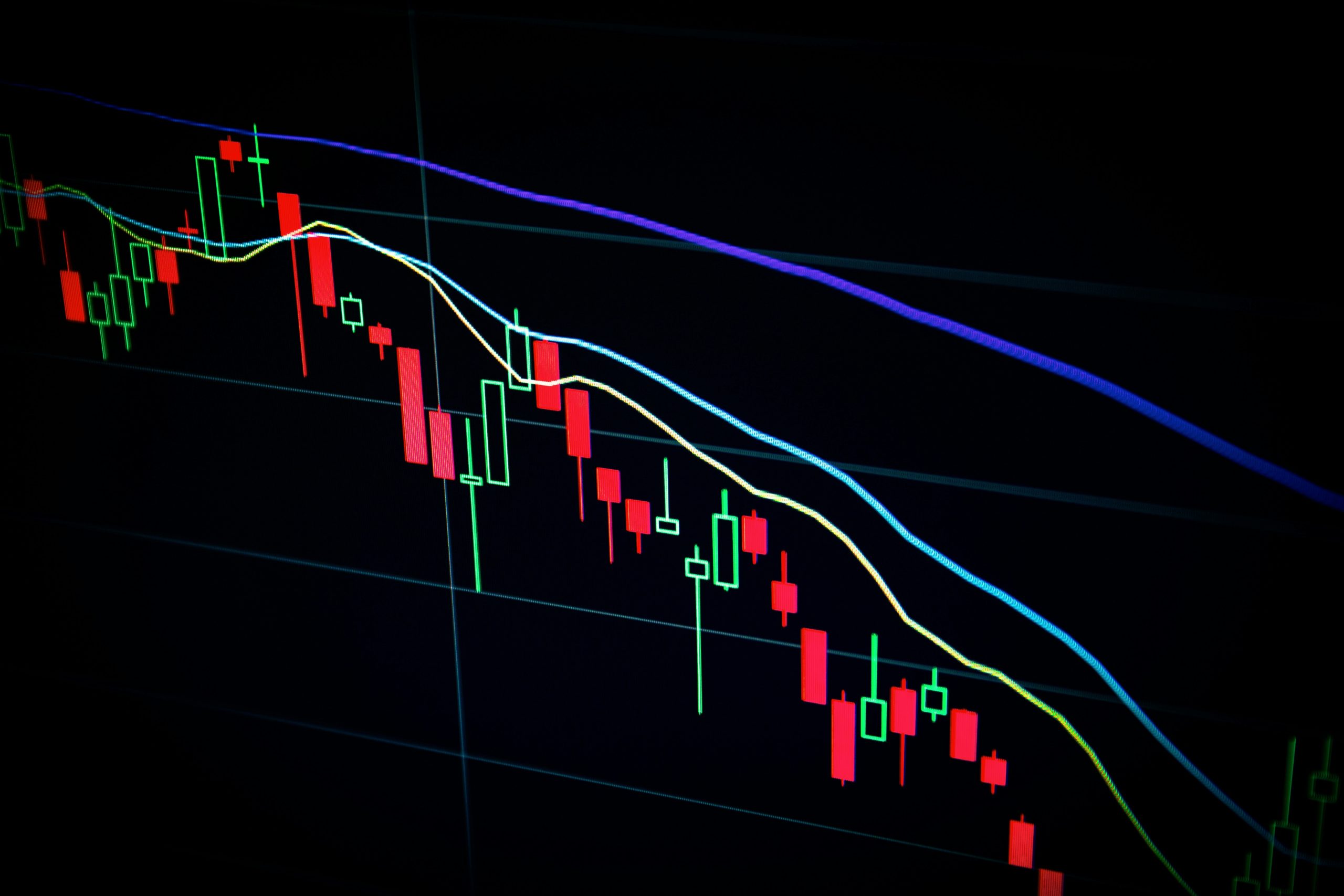
- Japanese Candlesticks: Visual representations of price movement over specific timeframes.
- Support and Resistance Levels: Key price levels where buying or selling pressure usually stalls the market.
- Technical Indicators: Mathematical calculations such as Moving Averages (MA), Relative Strength Index (RSI), and MACD.
What is Fundamental Analysis?
Fundamental analysis examines economic, social, and political factors that influence currency value. It focuses on the overall health of a country’s economy to determine whether its currency is overvalued or undervalued.
Key Drivers in Fundamental Analysis:
- Interest Rates: Set by central banks (e.g., Federal Reserve, ECB). Higher interest rates usually attract foreign capital and strengthen the currency.
- Economic Reports: Non-Farm Payrolls (NFP), Gross Domestic Product (GDP), and Consumer Price Index (CPI) for inflation.
- Geopolitical Events: Elections, trade agreements, and political instability.
Which Approach is Better for Beginners?
Rather than choosing one method, most successful retail traders use a blended approach:
- Use Fundamental Analysis to determine the overall market trend (Direction).
- Use Technical Analysis to pinpoint precise entry and exit points (Timing).